


Our Causes
Tackling Youth Unemployment And Involvement in Crime in South East and South South Nigeria: The Reality Beyond Statistics
At IPID, we are deeply committed to addressing the urgent challenges facing youth across South East and South South Nigeria. Among these challenges, unemployment, underemployment, and youth flight continue to stand out as critical barriers to personal growth and progress.
According to 2023 the Nigeria Labor Force Su2023, the reported unemployment rates for the South East and South have a spread of 4-11 percentage points.
While these are official government figures, they do not reflect the true reality on the ground. Based on our grassroots work and community insights, we estimate that actual unemployment in these states is well over 50%, with underemployment levels exceeding 80%. Youth Gang activities have direct correlations to these numbers.
Young people, particularly those who are educated, are leaving school only to find a severe lack of opportunities. Many are forced into low-paying, informal jobs or left idle without any means of earning a living. This economic stagnation has a ripple effect on families, communities, and the broader development of the region.
Many in desperate search for opportunities elsewhere end up drowning in Seas and Oceans around the world, as they try to flee from these hardships. Many run into the hands of human traffickers and end up as slaves, sex workers, and victims of human organ harvesters.
Our Focus Is On:
Expanding access to primary healthcare through community health outreach programs.
Improving access to essential medicines by partnering with trusted suppliers.
Advocating for well-equipped medical facilities in underserved areas.
Supporting the training and deployment of healthcare professionals to improve service delivery at the grassroots level.
Good health is a foundation for progress. By investing in healthcare infrastructure and human capacity, we’re working toward a future where everyone, regardless of location, can access the care they need to live an entire and healthy life. We believe that this is a goal we can all work towards and achieve together.
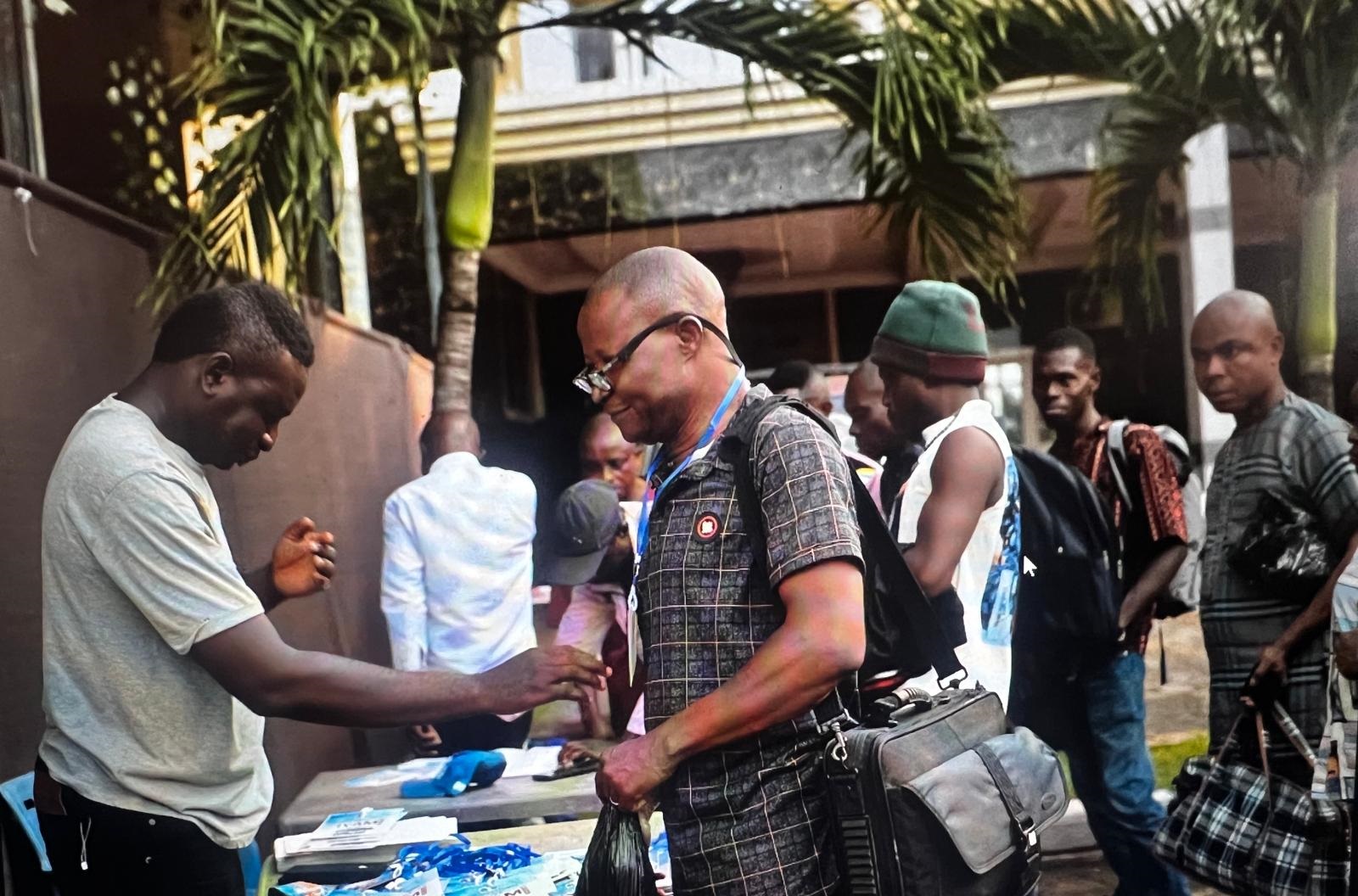
Why This Matters
High unemployment is more than a statistic, meaning lost potential, growing frustration, and a generation at risk of disillusionment. At IPID, we believe that by equipping our youth with practical skills, entrepreneurial training, and a platform for growth, we can turn this challenge into an opportunity.
We believe that positive change begins with informed, engaged, and empowered youth. That’s why our programs focus on:
Education & Career Development: Providing academic guidance, job skills training, and mentorship.
Health & Wellness: Promoting physical and mental well-being through awareness and access.
Leadership & Community Engagement: Encouraging civic participation and social responsibility.
Entrepreneurship & Economic Empowerment: Supporting innovation, small business development, and financial literacy.
We invite partners, sponsors, and community members to join us in this important mission.
Strengthening Healthcare Access in Southeast and South-South Nigeria
Access to reliable, quality healthcare remains a serious challenge across Southeastern and South-South Nigeria. This issue is not just a statistic, but a daily struggle for many communities, particularly in rural areas, who continue to face limited access to primary healthcare services, insufficient medical facilities, and a shortage of trained healthcare professionals.
Despite government efforts to improve the healthcare system, many local clinics and health centers lack basic equipment, essential medicines, and skilled personnel. This results in delayed treatments, preventable complications, and a general decline in health outcomes.
At IPID, we are committed to addressing these challenges by supporting projects that strengthen community health systems.